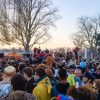
America turns 250 this Fourth of July, and the country is preparing for one very large birthday celebration.
Communities across the nation will gather for parades, fireworks, concerts, block parties, festivals, and public events from morning through night. Most people will head home with good memories, tired kids, and a phone full of photos.
We may be a risk management firm, but we plan to barbecue, watch the fireworks, and enjoy the celebration too. We also know that big crowds, busy streets, and distracted people can change the risk picture quickly.
Large crowds and major celebrations create more opportunities for theft, family separation, heat illness, traffic problems, and emergencies. Even well-planned events are unpredictable and can change quickly when thousands of people share the same space.
The best Fourth of July safety tips focus on where you stand, what you notice, what you carry, and how quickly you can change plans. A little preparation can help protect your family, your property, and the celebration itself.
These same large public event security and safety tips also apply to concerts, festivals, sporting events, holiday parades, and other crowded gatherings.
10 Fourth of July Safety Tips for Large Public Events
 1. Choose the Safest Place to Stand in a Large Crowd
At a parade, concert, or fireworks show, the front row can be prime viewing but it can also be the hardest place to leave. A better location is often near the outer third of the crowd, with two visible ways out and enough open space to change direction.
Avoid standing directly against fences, concrete walls, stages, vendor rows, or temporary barricades. Those features can become pressure points when thousands of people start moving at once.
Before settling in, ask one simple question: how would we leave from here if everyone else tried to leave at the same time?
2. Pick a Family Reunion Point Outside the Event Area
Families often say, “We’ll meet by the entrance.” During an evacuation, that entrance may be closed, overcrowded, or inaccessible.
Choose a recognizable location several blocks away, preferably across a major street from the event. Give children a paper card with two phone numbers they can use for emergency contact. Take a current photo of everyone when you arrive so you have an accurate clothing description if someone gets separated.
The reunion point should be outside the main event footprint, which includes the controlled area around entrances, barricades, stages, vendors, and the largest concentration of people.
 3. Learn the Warning Signs of an Unsafe Crowd
Crowd trouble often begins small and gives off signals before it becomes obvious. Pay attention when pedestrian movement suddenly stops, people begin pushing against the normal flow, security personnel start repositioning, or many people turn toward the same unseen disturbance.
Leave while movement is still possible. Trust your gut, waiting for an announcement can cost valuable time, especially when noise, distance, or failing cell service makes communication difficult.
During crowd compression, stay upright, keep your arms bent in front of your chest to preserve breathing space, and move with the general flow toward an outside edge.
4. Streets, Intersections, and Vehicle Access Points
The safest parade-viewing area is generally behind a substantial barrier and away from intersections, sharp turns, vehicle staging areas, and gaps where floats or emergency vehicles enter the route.
These areas deserve extra attention because vehicles may turn, stop unexpectedly, enter the route, or cross through pedestrian traffic.
Do not let children sit in the street, lean through barricades, or run toward a stalled float for candy. Position matters, especially when large vehicles and dense crowds share the same space.
5. Create a Heat Safety Plan Before Anyone Feels Sick
Heat illness can build before anyone realizes what is happening. Do not wait for someone to announce that they are overheating. Crowds, alcohol, direct sun, long walks, and limited shade can make heat illness harder to recognize and harder to respond to.
Set three triggers before the event:
- Time trigger: Take a scheduled shade and water break every 45 to 60 minutes.
- Behavior trigger: Pay attention when someone becomes unusually quiet, irritable, confused, unsteady, or starts slurring their words.
- Location trigger: Identify the nearest air-conditioned building, medical tent, cooling station, or shaded exit before joining the crowd.
Assign people to watch each other, especially children, older adults, and anyone drinking alcohol or taking medication that may affect heat tolerance.
OSHA recommends frequent water, rest, and shade rather than relying on thirst alone. Confusion, altered behavior, slurred speech, or unconsciousness can indicate heat stroke and require emergency help.
With America’s 250th expected to bring large celebrations and long days outdoors, heat planning deserves the same attention as parking, crowd position, and fireworks safety.
 6. Protect Your Phone, Wallet, and Valuables in a Crowd
Large celebrations create ideal conditions for opportunistic theft. Noise, physical contact, distractions, and crowded lines give a thief cover.
Here’s where fanny packs are elite. Use a zipped, front-facing bag. Keep your phone out of your back pocket. Divide cash and cards between two secure locations. Carry only the identification and payment methods you need.
Never leave a phone, wallet, or keys sitting on a blanket, folding chair, stroller, or cooler. A few seconds of distraction can be enough for an unattended item to disappear.
7. Choose a Safer Place to Watch Fireworks
The most useful fireworks safety tips begin with distance, wind direction, and patience.
Wind direction matters. A location downwind from a fireworks launch area can receive smoke, ash, paper debris, and occasionally still-hot material.
Before settling in, check which direction smoke from grills, flags, or early fireworks is moving. Whenever possible, watch from the upwind side and remain within the event organizer’s designated public area.
Move if smoke begins settling over the crowd, especially when children, older adults, or people with respiratory conditions are present.
8. Fireworks Safety, Know What to Do When a Firework Fails to Ignite
A firework that fails to ignite can still discharge unexpectedly. Do not approach it immediately, look down the tube, pick it up, or attempt to relight it.
Keep people away and follow the manufacturer’s safety instructions. Impatience around a failed firework can turn a disappointing moment into a serious injury.
Keep a hose or bucket of water ready before lighting anything. For burns, cool the injury with clean running water. Avoid creams, sprays, and improvised home remedies.
Contact emergency services for serious burns, eye injuries, breathing difficulty, or uncontrolled bleeding.
 9. Safety Tips for Large Public Events: Choose Safer Parking
The closest parking space may become the hardest one to leave.
A garage or lot beside the main event may take an hour to clear and could become inaccessible if streets are closed, emergency vehicles arrive, or pedestrian traffic blocks the route.
Park facing the exit when possible. Avoid spaces near parade-route intersections, temporary barriers, dumpsters, or tightly packed pedestrian corridors.
Keep comfortable shoes, water, a flashlight, and a basic first-aid kit in the vehicle. Your parking decision is part of your emergency plan.
10. Protect Your Home While You Attend the Celebration
A packed parade route can mean an empty neighborhood. Lock the door between the garage and the house, secure side gates and accessible windows, remove spare keys from obvious hiding places, and keep valuables away from street-facing windows.
Use lighting timers, ask a neighbor to move packages, and avoid posting your location publicly until you return. Check that cameras, alarms, and doorbell devices are online before leaving.
The goal is to make the house look quietly occupied without advertising that you are away.
Fourth of July Safety Tips: Prepare Ahead. Celebrate Big.
America’s 250th birthday deserves a celebration people will remember.
A few smart decisions before leaving home can help keep the day focused on family, community, and the fireworks overhead. Check the exits. Establish a reunion point. Watch the environment. Protect what you carry. Act early when conditions begin to change.
These Fourth of July safety tips work well beyond the holiday. If you attend concerts, festivals, sporting events, parades, and other large public gatherings these are also safety tips for large public events.
Preparation does not need to take over the day. It gives you a plan when the day stops going according to plan.
From everyone at TAL Global, have a safe, fun, and memorable Fourth of July weekend.

About TAL Global
TAL Global is an international security consulting and risk management firm with over 28 years of proven experience. We protect people, places, assets, and logistics in an increasingly complex and connected world.
Operating across the full landscape of security risk, our work includes workplace violence prevention, executive protection, investigations, travel security, emergency preparedness, and more.
Our team includes former federal agents, military veterans, executive level leaders, and crisis response experts recognized for delivering results under pressure. We are trusted by Fortune 500 companies, government agencies, and mission driven organizations worldwide.
Follow us on LinkedIn and YouTube for expert tips and strategies. Or reach out directly to Talk To Us about custom and actionable risk management strategies for your organization.